

Take a day to explore Asheville’s vibrant downtown district, and you’ll spot something striking: the city’s amazing Art Deco architecture. From the iconic Asheville City Building to the richly ornamented S&W Cafeteria, this Western N.C. city boasts one of the best-preserved collections of Art Deco buildings in the Southeast. But why does Asheville, a mountain city known for its natural beauty and vibrant arts scene, also have such a deep connection to this 20th-century architectural style?
If you're planning to visit Asheville or thinking about moving to Asheville, understanding its architectural heritage is a great way to appreciate the city’s unique character. Here's why Art Deco architecture in Asheville is so prevalent — and how it’s shaped the city through the years.
A boom time in Asheville’s history
The rise of Art Deco in Asheville correlates to the city’s early 20th century economic boom. In the 1920s, Asheville experienced ample growth, thanks to tourism, real estate investment, and development fueled by the arrival of the railroad and wealthy visitors drawn to the Blue Ridge Mountains.
During this period, many prominent buildings were constructed in the then-modern Art Deco style. This was a time when Asheville was becoming a progressive, cosmopolitan mountain city, and its architecture mirrored that movement.
The Great Depression’s architectural freeze
One of the most ironic reasons Asheville’s Art Deco treasures remain so intact is because of the Great Depression. According to Nan Chase’s book, “Asheville: A History,” after the 1929 stock market crash, Asheville was saddled with heavy debt from its infrastructure boom. Unlike other growing cities that tore down old buildings to make way for new construction, Asheville chose to pay off its debt first – a decision that took nearly 50 years.
As a result, the city didn’t experience the same mid-century building boom (and subsequent architectural demolition) that altered so many of the country’s other urban landscapes. Instead, Asheville’s Art Deco buildings were preserved, largely untouched by modernization. And today, these Art Deco buildings set Asheville’s downtown apart as an architectural time capsule.
Iconic Art Deco buildings to see in Asheville
Whether you’re on a weekend trip to Asheville or exploring homes for sale in this eclectic mountain destination, there are plenty of downtown Art Deco landmarks to check out, including:
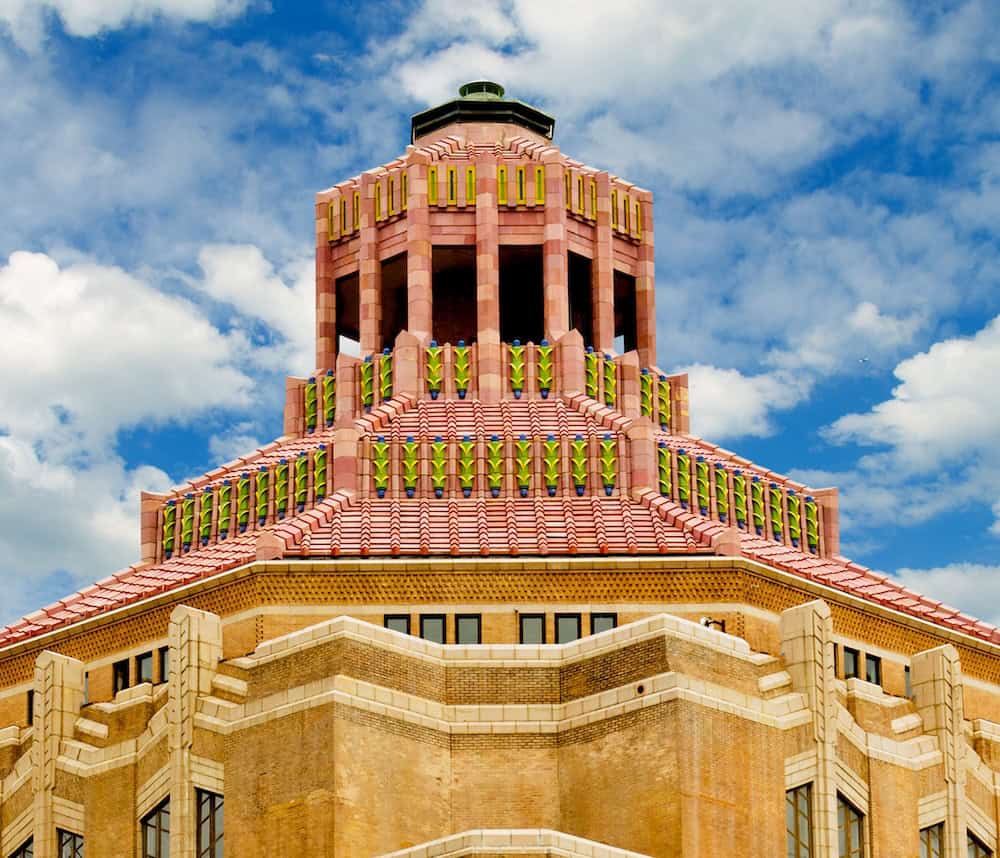
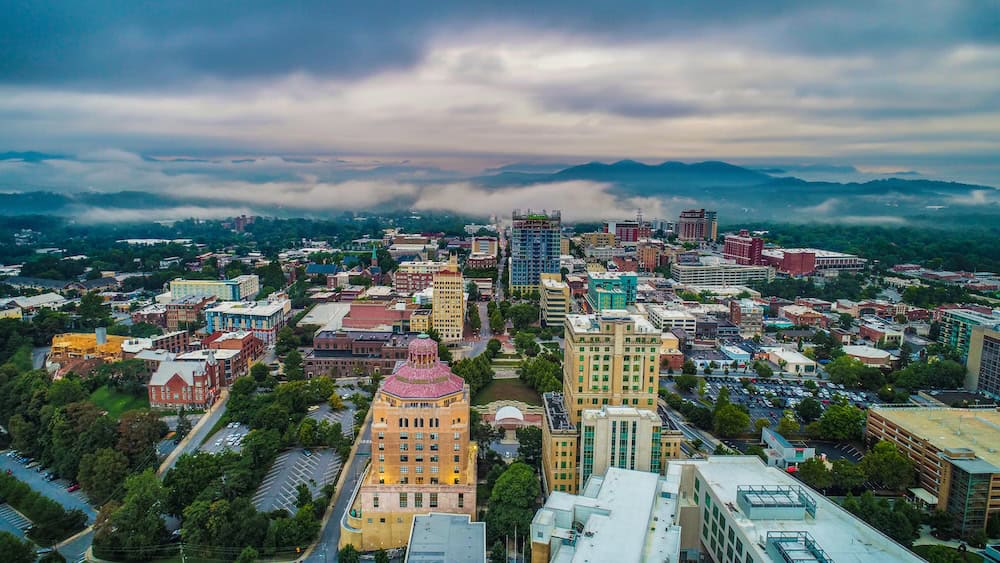
Asheville City Building – Designed by architect Douglas Ellington in 1928, this pink-and-terracotta masterpiece and home to City Hall features geometric designs and a unique octagonal dome.
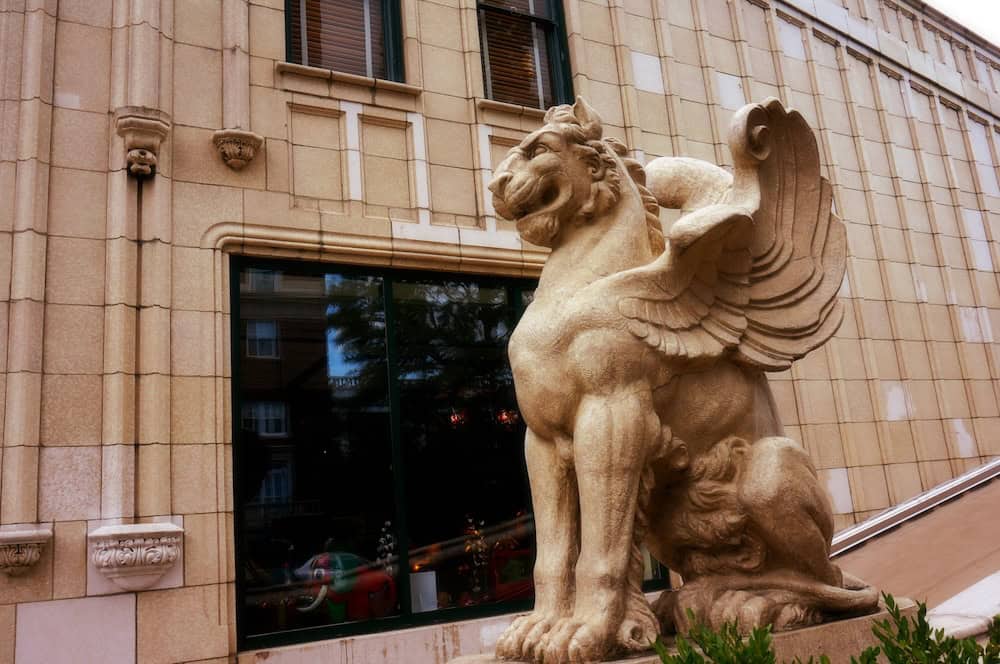
S&W Cafeteria Building – Now home to a popular food hall, this 1929 building features lavish decorative detailing and was one of Ellington’s signature projects.
Kress Building – Located on Patton Avenue, this 1920s-era structure boasting stylized Art Deco elements today houses retail and residential spaces.
Flatiron Building – Built in 1927, this wedge-shaped building at Battery Park and Wall Street showcases classical Art Deco styling and today houses the Flat Iron Hotel.
Art Deco meets modern living in Asheville
A number of downtown condos and lofts in Asheville are housed in restored Art Deco-era buildings, combining historic character with modern amenities. Living in one of these properties means having a front-row seat to Asheville’s rich architecture, walkable to art galleries, restaurants, music venues and the beautiful backdrop of the Blue Ridge Mountains.
For more information on Art Deco-inspired properties downtown, or homes anywhere in Asheville and Western N.C., please contact us at Info@MyMosaicRealty.com, or call us anytime at 828-707-9556.
Search: Asheville Area Real Estate



Connect