

If you’ve fallen for the beauty of Asheville’s historic homes, you’re not alone. But before you begin your search for the perfect historic home for you, it’s important to understand the unique maintenance and inspection issues that may come with such a property. A thorough home inspection can help you understand a historic property’s condition and identify potential concerns before moving forward with a purchase in Western North Carolina.
 Foundation and structural concerns
Older Asheville homes may have foundations made from stone, brick or other materials that differ from modern construction. A home inspection may reveal cracks, settling, deteriorated mortar, or evidence of previous repairs. Western N.C.’s hilly terrain can also affect structures. Homes built on slopes may have issues that affect foundations and crawl spaces. While some of these details don’t signal a major problem, it’s important to be aware of them in case further evaluation is necessary.
Moisture, drainage and crawl spaces
Water management is especially important for older homes in Asheville. Heavy rainfall, sloping lots, aging gutters, and inadequate grading can contribute to moisture problems. As a result, inspectors may look for damp crawl spaces, standing water, wood rot, and damaged insulation. Proper gutters, downspouts, grading and drainage can make a significant difference in protecting an older home from long-term damage.
Electrical systems
Electrical systems can vary considerably in Asheville’s older homes. Some have been completely rewired, while others have received piecemeal upgrades over several decades. An inspector can pinpoint outdated wiring, improperly installed modifications, and other issues. That way you can be aware of what fixes or updates may be needed.
 Plumbing and sewer lines
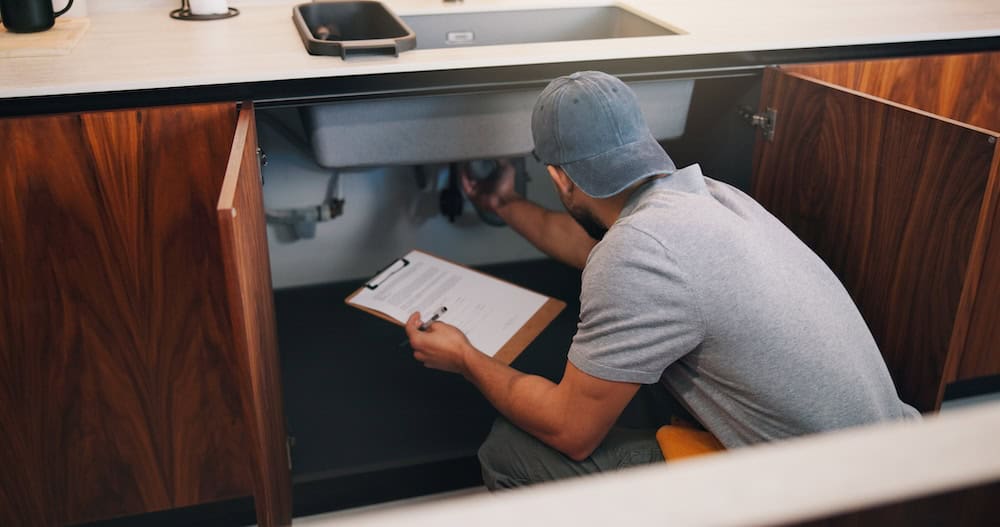
A renovated kitchen or bathroom doesn’t necessarily mean all of a home’s plumbing has been replaced. Older pipes can remain hidden behind walls and under floors. An inspection may uncover things like aging supply lines, leaks or outdated plumbing materials. You may also want to consider a sewer scope, particularly if you’re looking in a neighborhood where underground sewer lines are decades old. A sewer scope, which is a video inspection of a home’s main underground sewer line using a specialized waterproof camera, can reveal things that aren’t visible during a standard inspection.
Roofs, chimneys and exterior materials
Don’t forget about examining exterior details when purchasing a historic Asheville home. Aging roofing materials, chimney mortar issues, wood rot or evidence of previous leaks are all things to look out for. Asheville’s weather can be particularly hard on exposed wood, especially around porches, decks and trim. Having a grasp on these details can help you anticipate maintenance and repair costs down the road.
 Heating, cooling and environmental concerns
Many older Asheville homes have been renovated one system at a time, so it’s not unusual to find a combination of older and newer mechanical systems. Fireplaces and wood-burning stoves may also warrant additional inspection. Depending on a property’s age, buyers may also encounter potential issues involving things like lead-based paint and asbestos-containing materials.
Radon is another consideration throughout Western N.C. This naturally occurring gas can enter homes through foundations and crawl spaces, and testing is the best way to determine whether elevated levels are present.
If you’re searching for historic homes for sale in the Asheville area, Mosaic Community Lifestyle Realty can help put inspection findings into context. For more information on historic homes, or any real estate in Asheville or Western N.C., please contact us at Info@MyMosaicRealty.com, or call us anytime at 828-707-9556
Search: Historic Homes
Search: Asheville Area Real Estate



Connect